

Many people assume they need to see a physician (MD or DO) for all their care, but that’s not true. In fact, Advanced Practice Clinicians (APCs), including Nurse Practitioners (NPs) and Physician Assistants/Associates (PAs), play an essential role in delivering safe, effective, and accessible healthcare.
Depending on state regulations, clinical experience, and organizational requirements, APCs can practice with substantial clinical autonomy. That means independently evaluating patients, developing treatment plans, and making medical decisions within their scope of practice. While some states require physician collaboration or supervision, this doesn’t diminish the expertise, clinical judgment, or contribution APCs bring to patient care.
Our APCs are integral to our mission of making high-quality healthcare accessible. They bring a unique combination of clinical expertise, compassion, and patient-centered care to our clinics every day. They show that exceptional healthcare isn’t defined by the letters after someone's name, but by the quality of care they provide.
At Carbon Health, we rely on APCs to deliver patient care and help us improve how we serve our communities and improve our business model. In this blog post, Area Medical Director Kayla Deshong explains why primary care matters and how the APCs who join us will help shape what’s next.

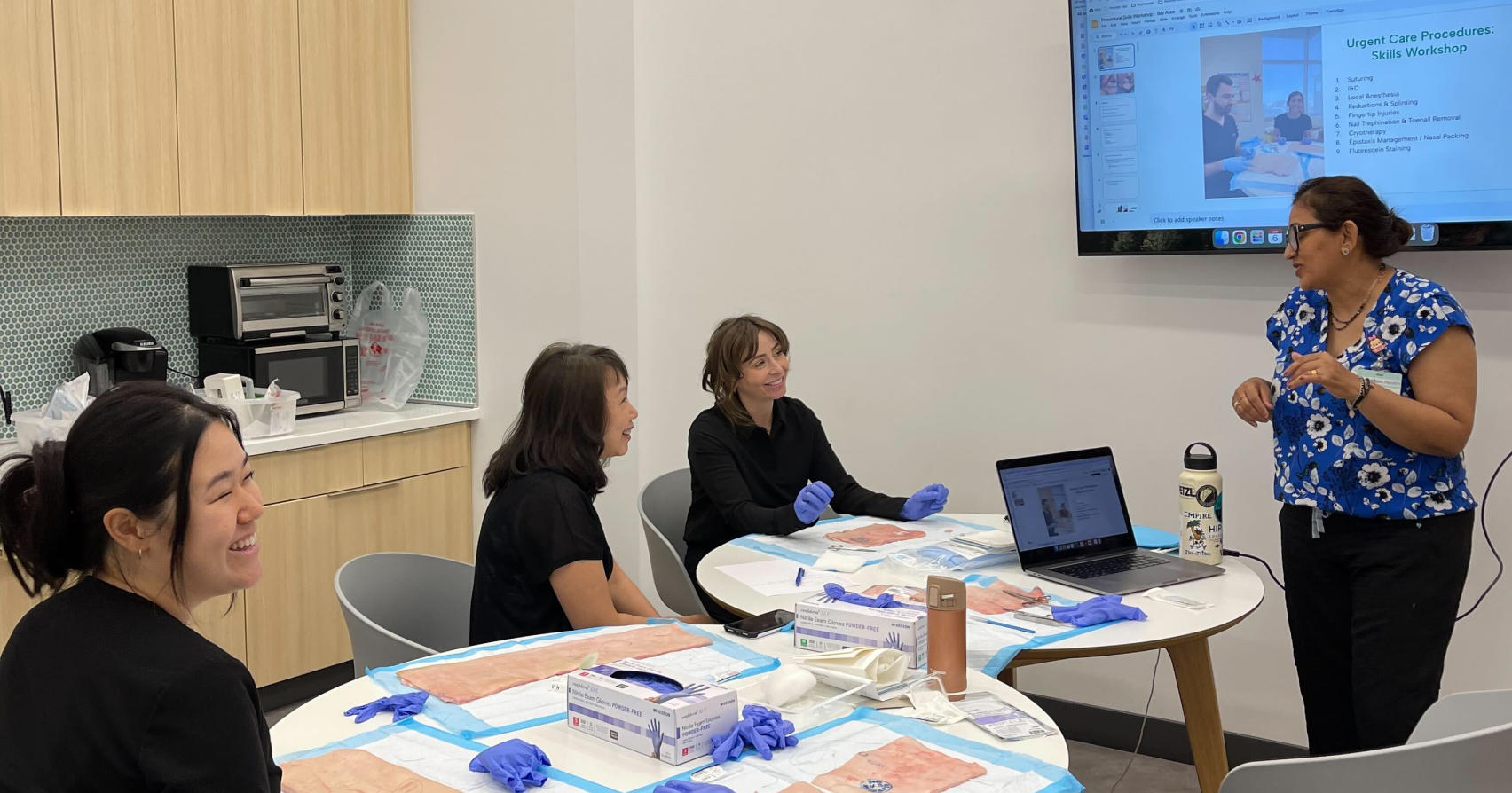
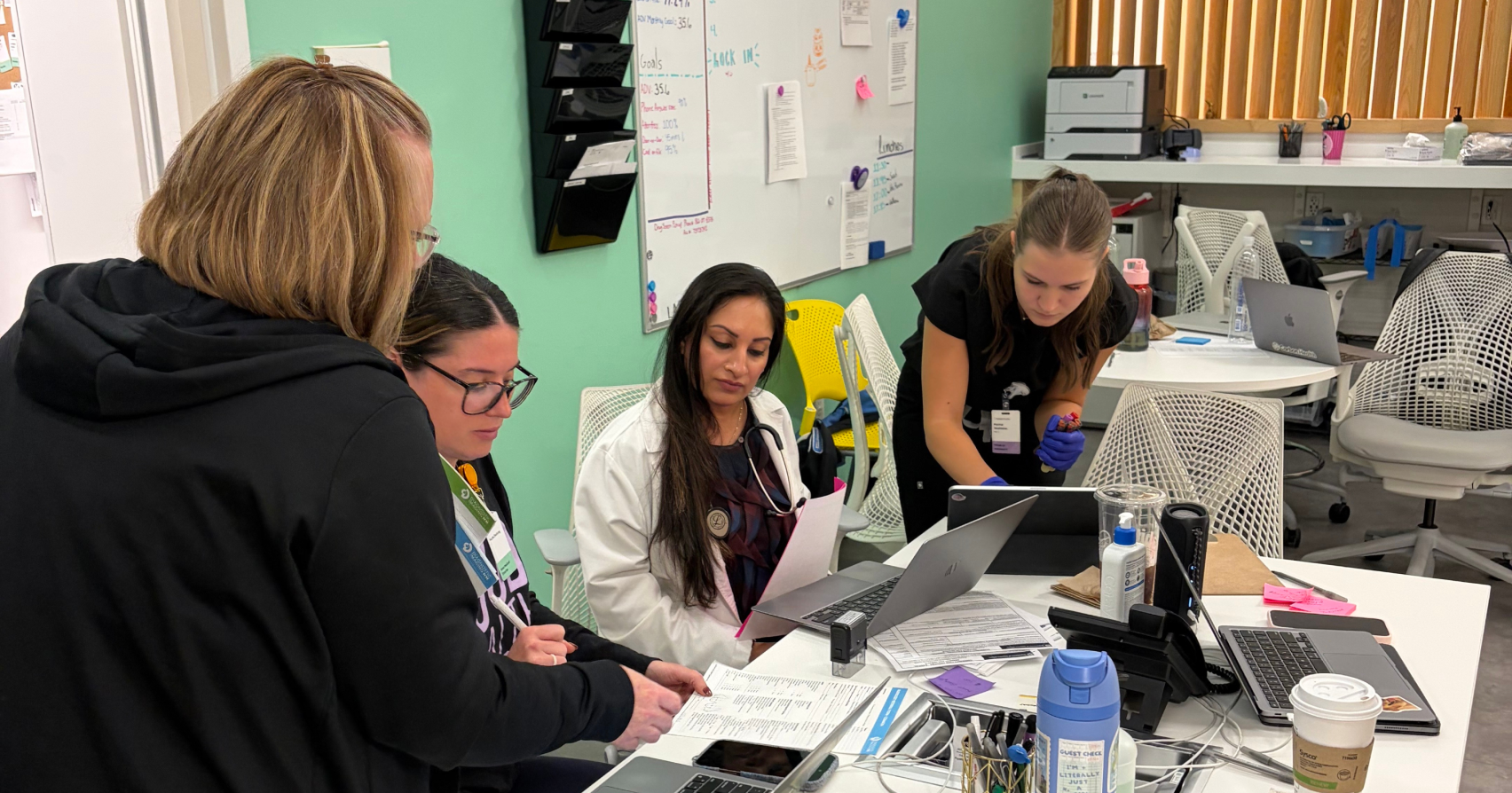
APCs at Carbon Health aren’t stepping into a finished system, and we think that’s a good thing. They help us build how we work, from developing patient relationships to shaping clinical workflows and mentoring their teams. They help onboard new clinicians by providing hands-on training, sharing clinical pearls, and building confidence in managing complex urgent care presentations. They recognize inefficiencies in clinic operations, such as bottlenecks in patient intake or discharge, and work alongside their teams to improve patient flow. They also identify opportunities to expand services, including partnering with local specialists to better meet the needs of their local communities. Our APCs aren't just delivering care; they're helping shape the future of how we deliver it.
Candidates are often surprised to hear they can take on leadership responsibility earlier in their careers. Here are some common questions I hear from candidates:
How does Carbon support APCs who want to grow beyond direct patient care?
APCs have access to experienced peers, clinical leaders, and supervising physicians. We also have structured onboarding and a UC fellowship pathway for newer graduates that combines hands-on clinical experience with didactic education and mentorship.
We identify clinicians who demonstrate strong clinical judgment, accountability, communication, and an interest in leadership, and then give them opportunities to take on additional responsibility. That can include mentoring newer clinicians, participating in clinical initiatives, or moving into formal leadership positions.
What growth paths are available to APCs that you don't typically see elsewhere?
One of Carbon’s strengths is that APCs have opportunities to grow beyond direct patient care. Clinicians can move into clinical leadership, operational leadership, education, mentorship, and broader market-level roles while keeping a clinical presence.
What leadership or clinical roles have APCs moved into?
We’ve seen APCs progress from clinicians into Center Medical Director roles and Area Medical Director leadership, as well as take on precepting, fellowship mentorship, and other clinical leadership responsibilities. You can build a career here rather than simply hold a clinical position.
What would you tell an APC considering Carbon over a hospital system or private practice?
At Carbon, APCs have meaningful autonomy while still having clinical and leadership support available when they need it. You're also not limited to seeing patients indefinitely; if you want to teach, lead, mentor, or influence how healthcare is delivered, there are opportunities to do that.
Where do you see the APC role at Carbon heading in the next few years?
I see APCs continuing to have an increasingly important role not only in delivering care, but in leading it. As access to healthcare continues to evolve, experienced APCs are well positioned to lead teams, develop clinicians, improve quality, and help shape how we deliver both urgent and longitudinal care.

As an Area Medical Director, I think primary care is incredibly important because it and urgent care are complementary parts of the same patient journey.
Every day in urgent care, we identify patients who need something beyond what an episodic visit can appropriately provide. We diagnose hypertension, identify abnormal labs, encounter patients needing chronic medication management, and often hear: “I don't have a PCP (primary care provider).” Primary Care gives us the ability to close that loop rather than simply telling patients to follow up somewhere else.
More importantly, Primary Care gives us the opportunity to practice preventive medicine rather than only reactive medicine. Urgent Care is designed to address what is wrong with a patient today; Primary Care allows us to identify risks before they become problems. Routine screenings, vaccinations, cancer prevention, cardiovascular risk reduction, metabolic health, and early identification and management of chronic disease all have the potential to change the trajectory of a patient's health long before they require urgent or emergent care.
Here’s a concrete example. If we identify hypertension during an urgent care visit, we don’t have to just tell the patient: “You should have this rechecked.” We can connect them with a clinician who can follow that blood pressure over time, assess their overall cardiovascular risk, intervene appropriately, and hopefully prevent a heart attack or stroke years down the road. That's where episodic care becomes longitudinal healthcare.

Urgent care allows us to take exceptional care of the patient who needs us today. Primary Care allows us to help keep that same patient healthy tomorrow and for years to come. Our APCs are the ones who make that handoff work, and they help decide how it works. Having both lets us move from treating illness to truly managing health, and that's the kind of integrated healthcare model our patients deserve.
If you’re an APC who wants to deliver excellent primary care and have a voice in how it’s delivered, we’d love to hear from you. I'm hiring APCs in California and Washington, and you can find opening across Carbon Health at carbonhealth.com/careers. Have questions before you apply? Talk to our team.

Kayla Deshong, MPAS, PA-C joined Carbon Health as a provider and has since held leadership roles as a Center Medical Director and Area Medical Director. Today, she oversees clinical excellence and quality outcomes across Colorado, Kansas, Missouri, Washington, Texas, and Sacramento, CA. Big thanks to Kayla for this informative blog post and to the extended team for their leadership, especially Dr. Acey Albert, Jamiya Snell, Kara Upthegrove, and Marina Hrovat.


